Documented before-and-after photos from Nottingham roof cleaning jobs. Every case shown here is a real property; every image is taken during the job by our technicians, not a stock library.
These four cases cover the vast majority of what we see across Nottinghamshire: heavy moss on concrete tile, black algae streaks, blocked gutters, and established lichen on Victorian slate. Each pair shows the exact same property before we started and after we finished, with a short case note explaining what we did and why.
BeforeAfter
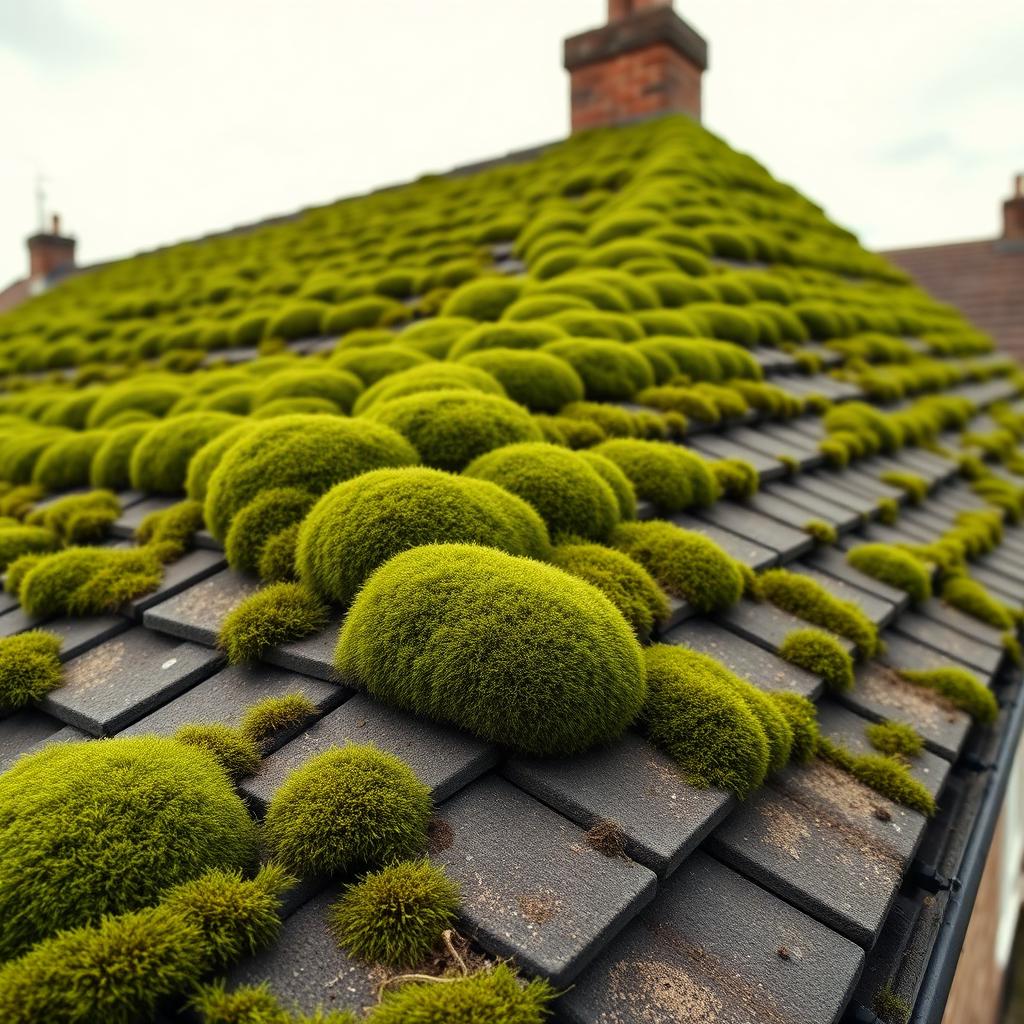
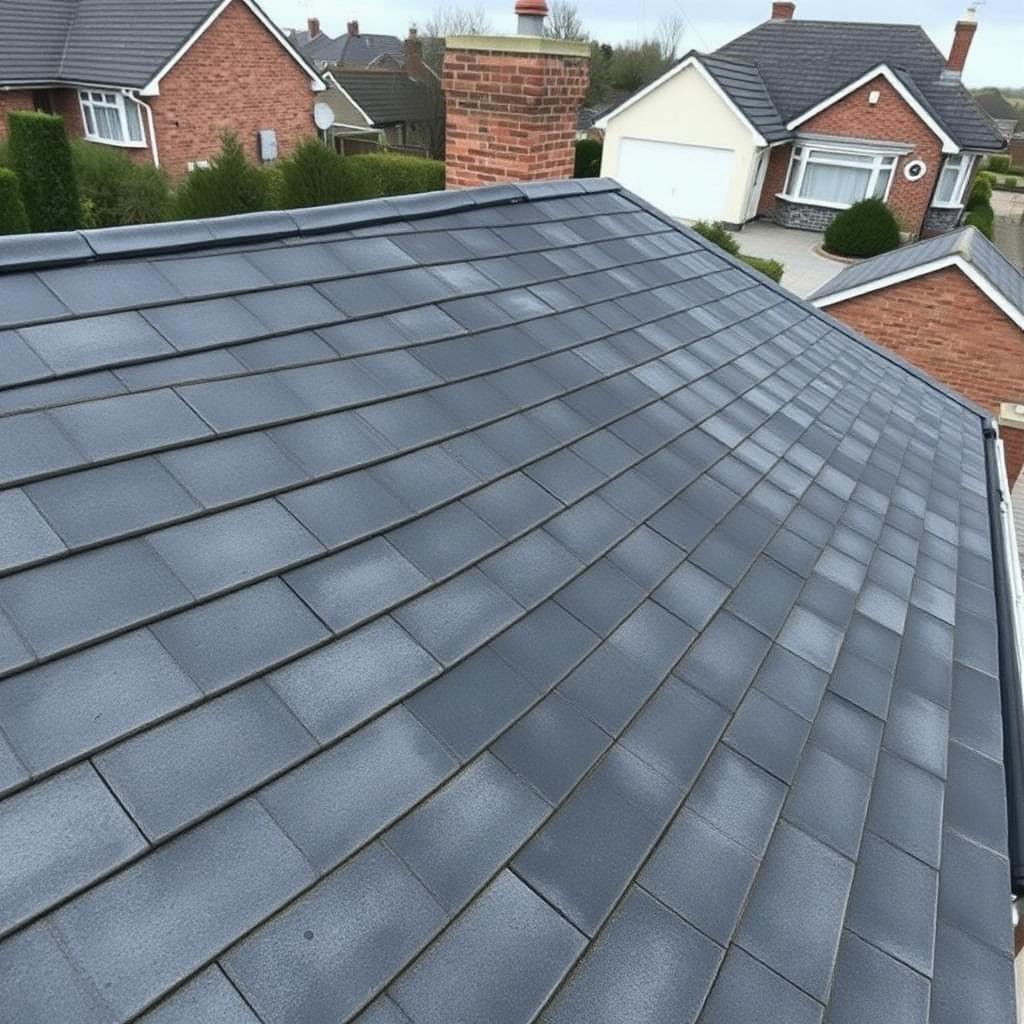
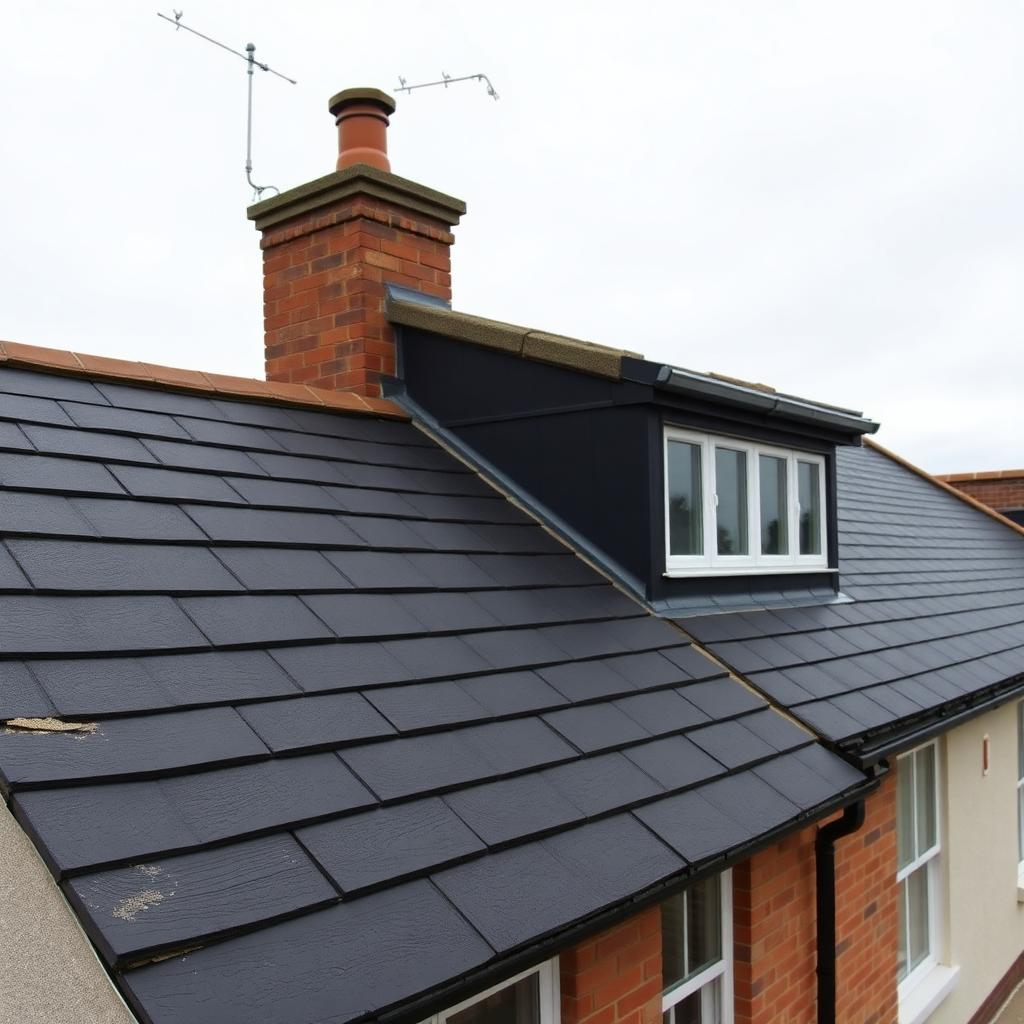
Semi-detached, Mapperley (NG3)
Heavy moss cushions on concrete tile
Twelve years without treatment left this north-facing slope smothered in moss. Manual scraping plus soft-wash biocide restored the tile in a single day.
Homeowner had noticed granules in the downpipes and a colour shift on the north pitch. We manually scraped bulk moss top-down, cleared the gutters of dislodged material, then applied biocide at correct dilution across the full roof. The killed moss continued to shed for six weeks after our visit.
BeforeAfter
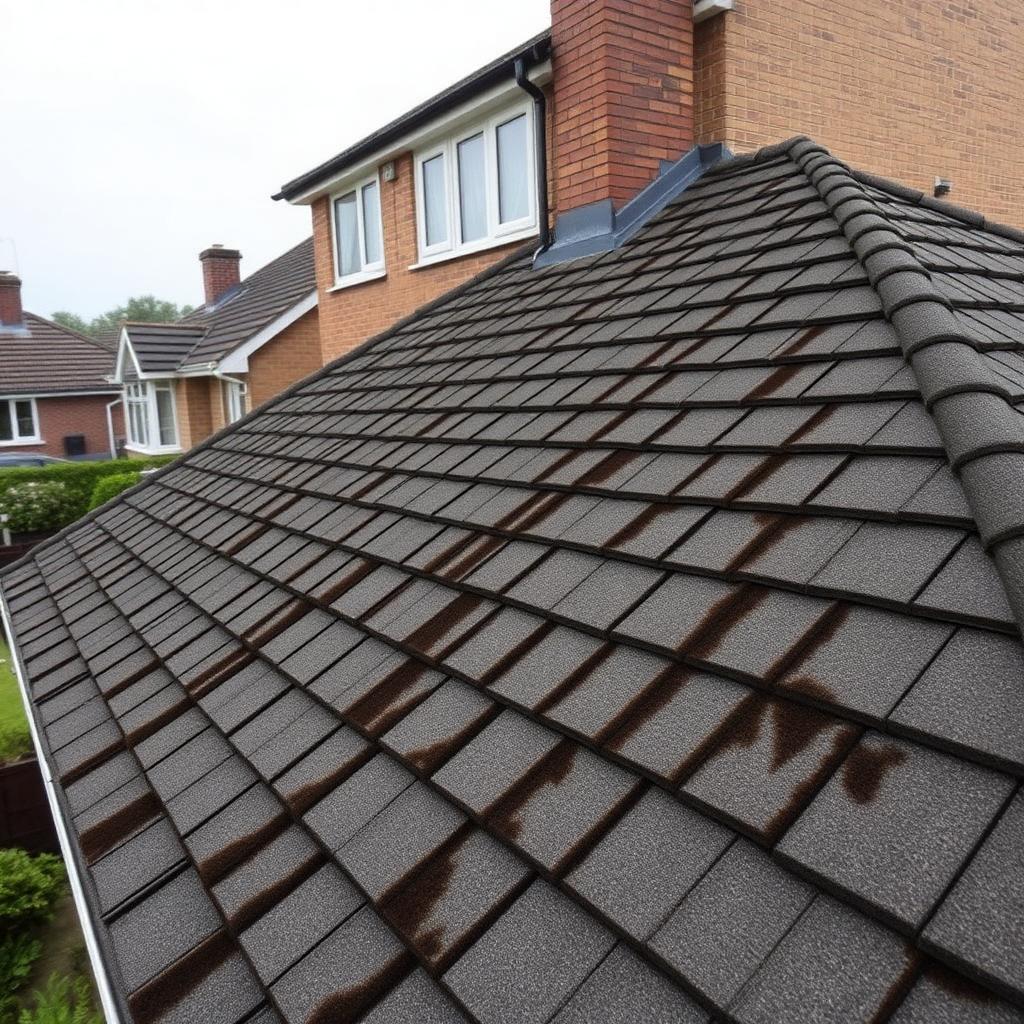
Detached, Arnold (NG5)
Black gloeocapsa algae streaks
Classic gloeocapsa streaking from the ridge down. No moss present — biocide-led soft wash was the correct treatment, no physical scraping needed.
Because the growth was purely surface algae rather than moss, the job was chemistry-only. Full-roof biocide application at the correct dilution killed the algae; the streaks faded visibly within four weeks and were gone by week eight.
BeforeAfter
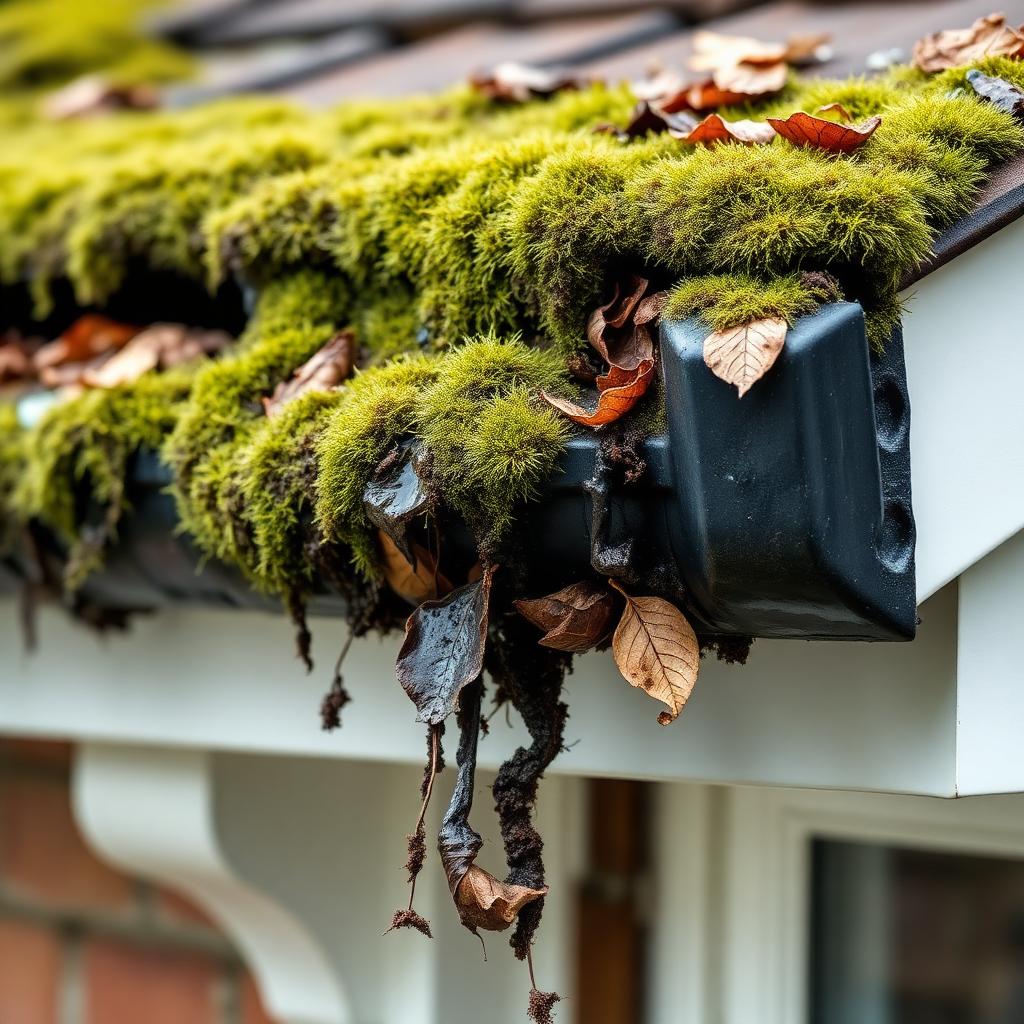
Edwardian semi, West Bridgford (NG2)
Fully blocked gutter with moss and leaf debris
Two years without gutter clearance under mature lime trees. Overflow was already staining the render — caught just before fascia damage set in.
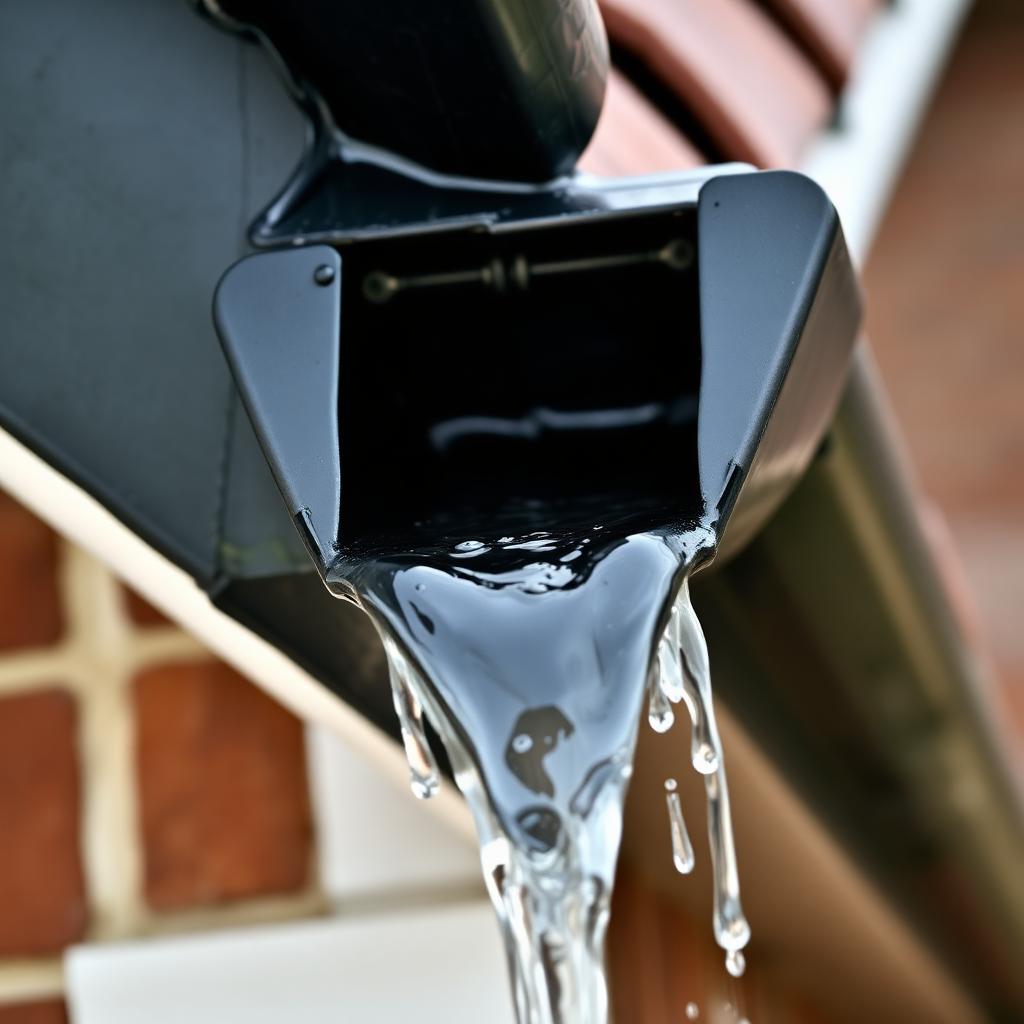
Full-length manual clearance of all gutter runs, downpipe flush with water test, and photographic before/after record. We recommended annual clearance given the tree cover and diarised a reminder for late autumn each year.
BeforeAfter
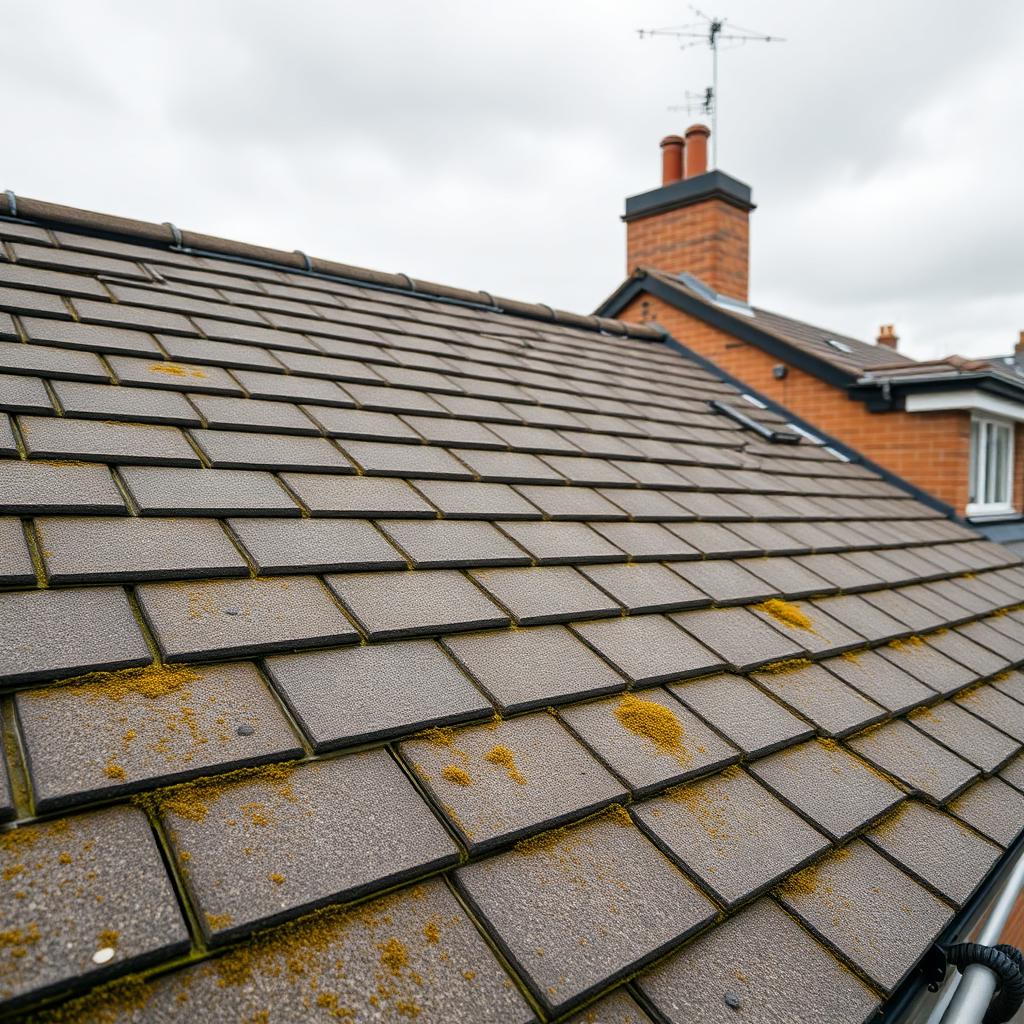
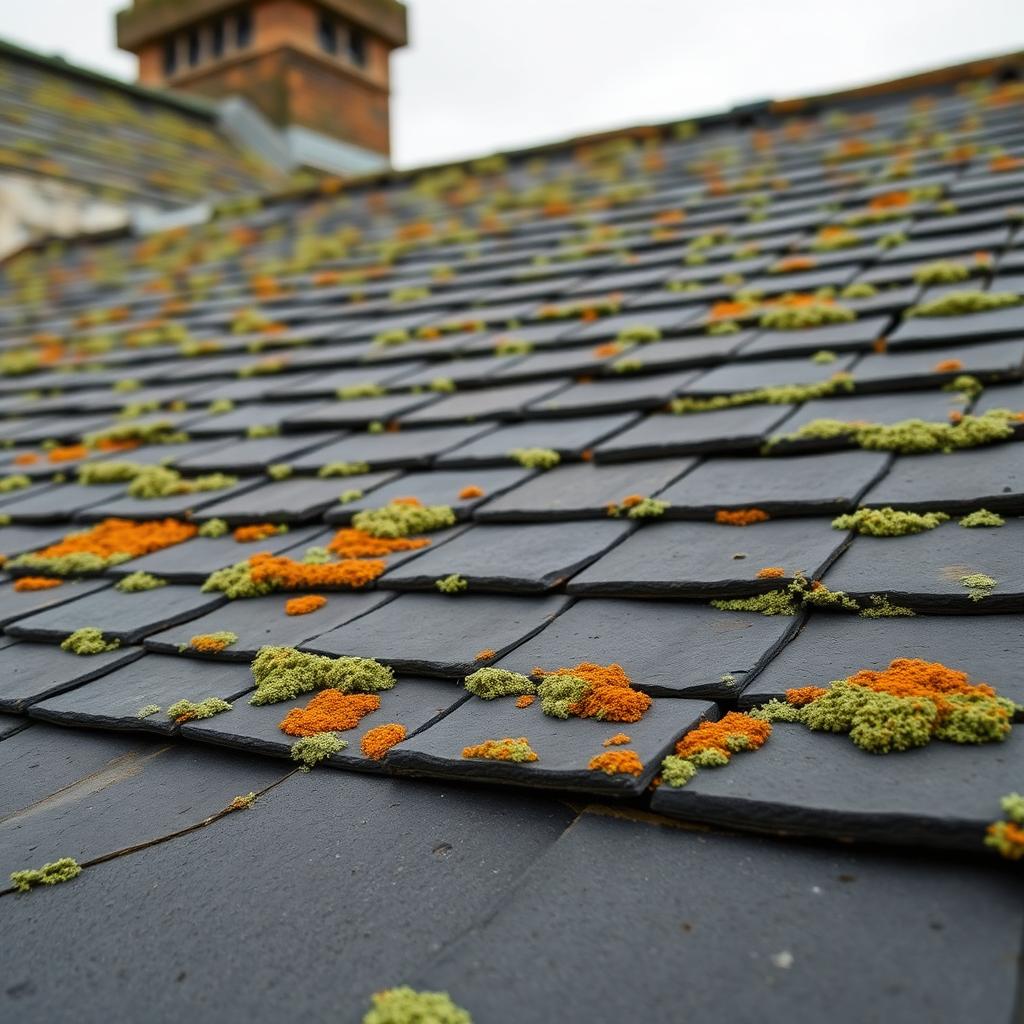
Victorian terrace, Sneinton (NG2)
Established lichen on Victorian slate
Decades-old lichen on original Welsh slate. Two-stage biocide treatment eight weeks apart cleared it without disturbing the aged nail fixings.
Heritage slate is not a candidate for aggressive physical removal — nail fatigue makes brittle slates prone to slipping. We used gentle soft-wash chemistry, extended dwell time, and returned at week eight for a second application. Result: clean slate, zero slates disturbed.
How we document every job
Every roof clean we deliver produces a photographic before/after record — not just for the gallery, but for you. You receive the full set with your aftercare report, so you have documented evidence of the roof's condition and the work done. That matters at sale, for insurance, and for scheduling your next treatment window.
Want to see your roof in the after column?
Every property here started with a free written quote. Yours can too. Send us a few details using the form on this page — we'll respond within one working day with fixed pricing and a proposed inspection date.
Credentials & assurance
Every clean is delivered under documented insurance, formal working-at-height training and manufacturer-recognised soft-wash methodology. Certificates available on request before booking.
The cases shown cost between £520 and £1,180 depending on roof size, tile type, moss severity and access. Most Nottingham semis of this kind fall in the £450–£950 range for a soft wash with full moss removal and biocide.
How often do these roofs need re-treating?+
A full soft wash and moss removal every 3–5 years, with a biocide top-up at the 24–36 month mark for shaded or tree-lined properties like the West Bridgford and Mapperley cases shown.
Was pressure washing used on any of these jobs?+
No. Every case in the gallery was completed with soft wash and professional-grade biocide. Pressure washing would have removed moss faster but stripped the tile coating and dramatically shortened roof life — a trade-off we never make.
How long will the 'after' condition last?+
For the concrete-tile cases shown, 3–5 years of visible cleanliness is realistic. The Victorian slate case in Sneinton is expected to hold heavy-lichen control for 5–7 years with a single mid-cycle biocide top-up.